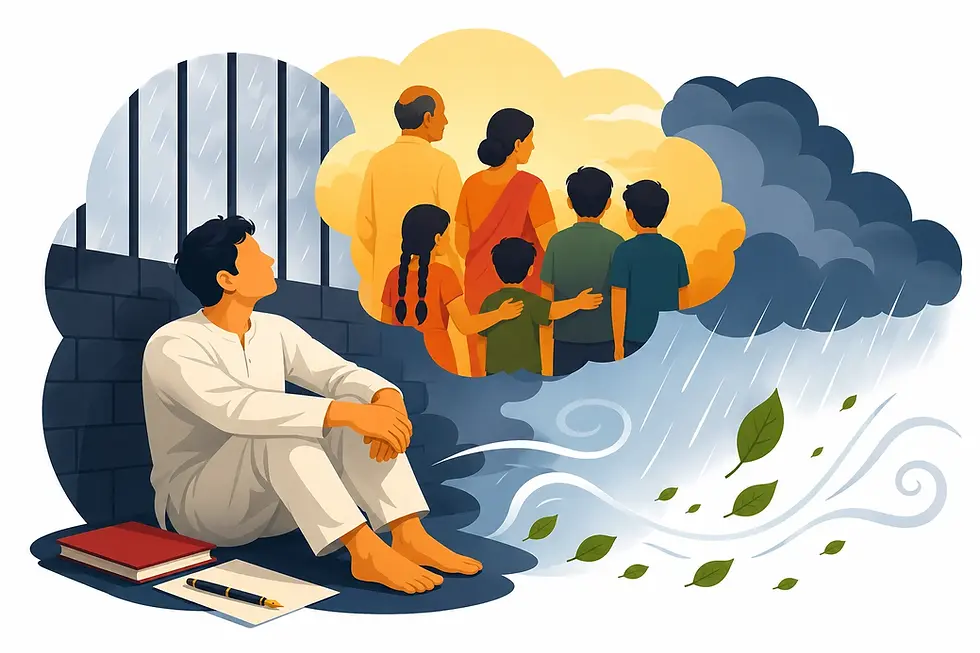
5. आखिरी चट्टान तक - Aakhiri Chattan Tak - Class 9 - Ganga
- Jun 2
- 16 min read
पाठ परिचय (Chapter )
पाठ का नाम: आखिरी चट्टान तक
लेखक: मोहन राकेश
विधा: यात्रा-वृत्तांत (Travelogue)
पाठ्यपुस्तक: गंगा — NCERT कक्षा 9 हिंदी, R1, 2026-27
लेखक परिचय (Author Introduction)
मोहन राकेश का जन्म सन् 1925 में अमृतसर (पंजाब) में हुआ था। वे हिंदी साहित्य के एक बहुमुखी और प्रतिभाशाली रचनाकार थे, जिन्होंने कहानी, उपन्यास, नाटक और यात्रा-वृत्तांत जैसी अनेक विधाओं में उत्कृष्ट साहित्य सृजन किया। उनकी प्रमुख रचनाओं में 'आषाढ़ का एक दिन', 'लहरों के राजहंस', 'आधे-अधूरे' (नाटक), 'अंधेरे बंद कमरे' (उपन्यास) और 'आखिरी चट्टान तक' (यात्रा-वृत्तांत) शामिल हैं। 'आषाढ़ का एक दिन' नाटक के लिए उन्हें 'संगीत नाटक अकादमी' पुरस्कार से सम्मानित किया गया था। कुछ समय तक उन्होंने प्रसिद्ध हिंदी पत्रिका 'सारिका' का संपादन भी किया। उनके लेखन में आधुनिक जीवन की जटिलताओं और मानवीय संवेदनाओं का सूक्ष्म अंकन मिलता है। मात्र 48 वर्ष की अल्पायु में सन् 1972 में उनका निधन हो गया।
Mohan Rakesh was born in 1925 in Amritsar (Punjab). He was a versatile and talented creator of Hindi literature, producing excellent works across genres like stories, novels, plays, and travelogues. His major works include plays like 'Ashadh Ka Ek Din', 'Lahron Ke Rajhans', 'Adhe-Adhure', the novel 'Andhere Band Kamre', and the travelogue 'Akhiri Chattan Tak'. He received the 'Sangeet Natak Akademi' award for his play 'Ashadh Ka Ek Din'. For a time, he also edited the famous Hindi magazine 'Sarika'. His writing subtly depicts the complexities of modern life and human emotions. He passed away at the young age of 48 in 1972.
EXAM TIP:लेखक परिचय में मोहन राकेश के नाटकों ('आषाढ़ का एक दिन', 'आधे-अधूरे') और उनकी पत्रिका 'सारिका' का उल्लेख 5 अंकों के प्रश्न में अच्छे अंक दिलाएगा।(In the author introduction, mentioning Mohan Rakesh's plays and his magazine 'Sarika' will secure good marks in a 5-mark question.)
पाठ का सारांश (Chapter Summary)
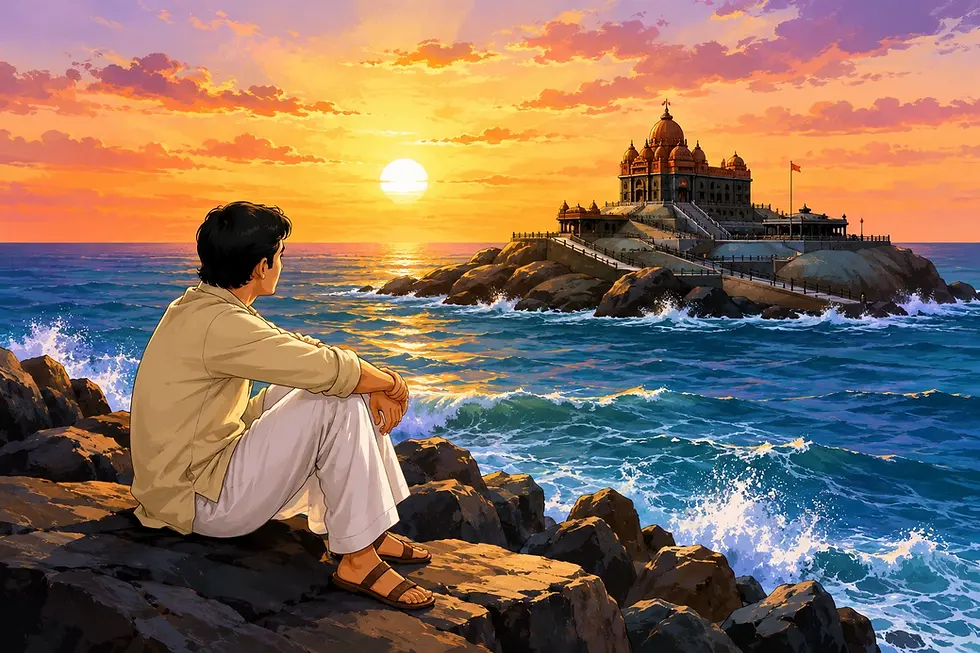
'आखिरी चट्टान तक' मोहन राकेश द्वारा रचित एक अत्यंत रोचक और चित्रात्मक यात्रा-वृत्तांत है, जिसमें उन्होंने कन्याकुमारी की अपनी यात्रा के सजीव अनुभवों को उकेरा है। लेखक भारत के स्थल-भाग की आखिरी चट्टान (जिसे 'विवेकानंद चट्टान' कहा जाता है) पर खड़े होकर अरब सागर, हिंद महासागर और बंगाल की खाड़ी के संगम को निहारता है। वह समुद्र की अपार शक्ति और क्षितिज के विस्तार को देखकर स्वयं को भूल सा जाता है।
लेखक सूर्यास्त का सुंदर दृश्य देखने के लिए 'सैंड हिल' (रेत के टीले) पर जाता है। वहाँ पर्यटकों की भीड़ देखकर वह एकांत की तलाश में आगे के और भी ऊँचे टीलों की ओर बढ़ता है। एक टीले पर पहुँचकर वह सूर्यास्त का अद्भुत नज़ारा देखता है, जहाँ सुनहली किरणें, पीली रेत और डूबते सूर्य के बदलते रंग (लाल, बैंजनी, और फिर काला) मन को मोह लेते हैं। सूर्य डूबने के बाद, अँधेरा घिरने पर लेखक को वापस लौटने का डर सताने लगता है। वह समुद्र तट के रास्ते लौटता है, जहाँ वह कई अनाम रंगों वाली रेत को देखकर विस्मित होता है। बढ़ते पानी और लहरों से बचते हुए, अँधेरे में संघर्ष करते हुए वह अंततः सुरक्षित केप होटल पहुँचता है। अगले दिन सुबह, लेखक कुछ स्थानीय नवयुवकों के साथ नाव से विवेकानंद चट्टान तक जाता है। वहाँ उसे नवयुवकों के माध्यम से कन्याकुमारी में शिक्षित युवाओं की बेकारी और निराशा के यथार्थ का पता चलता है। एक ओर उगते सूर्य का आध्यात्मिक और प्राकृतिक सौंदर्य था, तो दूसरी ओर बेकारी का कड़वा सच। यह वृत्तांत प्रकृति की भव्यता और मानव-मन की गहन अनुभूतियों (रोमांच, डर, संघर्ष) का सुंदर समन्वय है।
'Akhiri Chattan Tak' is a highly interesting and picturesque travelogue by Mohan Rakesh, detailing his vivid experiences travelling to Kanyakumari. The author stands on the last rock of India's landmass (Vivekananda Rock) and observes the confluence of the Arabian Sea, Indian Ocean, and Bay of Bengal. He loses himself witnessing the immense power of the sea and the vast horizon.
To see the beautiful sunset, he goes to 'Sand Hill'. Seeing a crowd of tourists there, he moves towards higher sand dunes in search of solitude. Reaching a high dune, he witnesses a mesmerizing sunset where the changing colors of the setting sun (golden, red, violet, and then black) captivate his mind. After sunset, as darkness falls, he gets scared about returning. He returns via the beach, amazed by the multi-colored sand. Struggling in the dark and dodging rising waves, he safely reaches the Cape Hotel. The next morning, he takes a boat to Vivekananda Rock with some local youths. Through them, he learns the harsh reality of unemployment among educated youth in Kanyakumari. On one side was the spiritual and natural beauty of the rising sun, and on the other, the bitter truth of unemployment. This travelogue beautifully coordinates nature's grandeur with human emotions (thrill, fear, struggle).
शीर्षक की सार्थकता (Title Justification)
इस यात्रा-वृत्तांत का शीर्षक 'आखिरी चट्टान तक' पूरी तरह से सार्थक है क्योंकि पूरी यात्रा का केंद्र कन्याकुमारी (भारत के दक्षिणतम बिंदु) की वह अंतिम चट्टान है जहाँ तीन महासागर मिलते हैं। यह शीर्षक भौगोलिक अंतिम छोर के साथ-साथ लेखक के साहसिक सफर और मानवीय अनुभवों की चरम सीमा को भी दर्शाता है।
The title 'Akhiri Chattan Tak' is completely justified as the center of the entire journey is the last rock of Kanyakumari (India's southernmost point) where three oceans meet. This title reflects not just the geographical end point but also the peak of the author's adventurous journey and human experiences.
लेखक की दृष्टि (Author's Perspective)
यात्रा के अनुभव और यथार्थ
लेखक की दृष्टि केवल एक सामान्य पर्यटक की नहीं है, बल्कि एक संवेदनशील दर्शक की है। वे जहाँ एक ओर प्राकृतिक सौंदर्य (सूर्यास्त, सागर का विस्तार, रंग-बिरंगी रेत) को देखकर मुग्ध होते हैं, वहीं दूसरी ओर वे यथार्थ से भी मुँह नहीं मोड़ते। कन्याकुमारी के शिक्षित युवाओं की बेकारी, जो सीपियों का गूदा खाकर दार्शनिक बहस करते हैं, समाज की उस विडंबना को दर्शाती है जो प्राकृतिक सुंदरता के ठीक पीछे छिपी है।
The author's perspective is not just of an ordinary tourist but of a sensitive observer. While he is mesmerized by the natural beauty (sunset, ocean vastness, colorful sand), he does not ignore reality. The unemployment of educated youths in Kanyakumari, who eat shell pulp and engage in philosophical debates, reflects the societal irony hidden right behind natural beauty.
केंद्रीय भाव एवं मूल्य (Central Theme & Values)
5A. विषय-वस्तु तालिका (Themes Table)
विषय (Theme) | पाठ में स्पष्टीकरण (Explanation in Text) |
मुख्य विषय: प्रकृति का विस्तार और शक्ति | लेखक तीन सागरों के संगम पर खड़ी चट्टान से समुद्र के अनंत विस्तार और उसकी असीम शक्ति को महसूस करता है। |
एकांत और आत्म-खोज | भीड़ (सैंड हिल) से दूर जाकर, अकेले टीले पर बैठकर सूर्यास्त देखना लेखक की एकांत और आत्मानुभूति की चाह को दर्शाता है। |
प्राकृतिक सौंदर्य बनाम सामाजिक यथार्थ | एक तरफ सूर्योदय का मनोरम दृश्य और दूसरी तरफ बेरोजगार स्नातकों (ग्रेजुएट) की निराशा समाज की दो अलग-अलग सच्चाइयों को प्रस्तुत करती है। |
संघर्ष और रोमांच | अँधेरा घिरने पर अकेले लहरों से बचकर भागना जीवन में आने वाले अप्रत्याशित खतरों और संघर्ष का प्रतीक है। |
5B. मानवीय मूल्य (Human Values)
साहस और दृढ़ता (Courage and Determination): थकने के बावजूद सूर्यास्त देखने के लिए ऊँचे टीलों तक जाना और लहरों से बचकर सुरक्षित लौटना लेखक के दृढ़ संकल्प को दिखाता है।
(Going up high dunes to watch the sunset despite exhaustion and returning safely dodging waves shows the author's strong determination.)
प्रकृति प्रेम (Love for Nature): रंग-बिरंगी रेत को देखकर उसे सहेजने की इच्छा और सूर्यास्त के रंगों का सूक्ष्म अवलोकन प्रकृति के प्रति गहरे लगाव को दर्शाता है।
(The desire to collect the colorful sand and the minute observation of sunset colors reflect a deep attachment to nature.)
सहानुभूति (Empathy): बेकार (बेरोज़गार) नवयुवकों की स्थिति को देखकर लेखक का चिंतन समाज के प्रति उनकी मानवीय संवेदना को उजागर करता है।
(The author's contemplation upon seeing the condition of unemployed youths highlights his human sensitivity towards society.)
शब्दार्थ (Vocabulary)
क्र. | शब्द/पद | हिंदी अर्थ | English Meaning |
1 | स्याह | काला / श्याम | Black / Dark |
2 | समाधिस्थ | समाधि में स्थित / एकाग्र | Deep in meditation |
3 | क्षितिज | जहाँ धरती और आकाश मिलते हुए दिखें | Horizon |
4 | सिहरन | कंपन / काँपना | Shivering / Thrill |
5 | पृष्ठभूमि | पीछे का दृश्य / आधार | Background |
6 | झुरमुट | पास-पास उगे पेड़ या झाड़ियाँ | Cluster of trees / Thicket |
7 | बीहड़ | ऊबड़-खाबड़ / विकट | Rugged / Uneven |
8 | मद्धिम | मध्यम / मंदा | Dim / Faint |
9 | दार्शनिक | दर्शनशास्त्र का जानकार / तत्ववेत्ता | Philosopher |
10 | ओट | आड़ / परदा | Shield / Cover |
11 | अर्घ्य | पूजा में जल या वस्तु अर्पित करना | Offering to a deity (like Sun) |
12 | कडल-काक | समुद्री कौवे (पक्षियों की प्रजाति) | Sea crows (a bird species) |
13 | बे-लाग | जिसे किसी बात से लगाव या मतलब न हो | Unconcerned / Detached |
14 | सैंड हिल | बालू का टीला | Sand dune |
15 | सुरमई | हल्का नीला / सुरमे के रंग का | Greyish-blue |
16 | सिर धुनना | पछताना / मातम करना | To repent / Lament |
17 | विस्मय | आश्चर्य / अचंभा | Wonder / Astonishment |
18 | आत्मानुभूति | स्वयं को महसूस करना | Self-realization |
19 | सम्मिश्रण | मिलावट / एक-दूसरे में मिलना | Mixture / Blend |
20 | बेबसी | लाचारी / मज़बूरी | Helplessness |
गद्यांश आधारित प्रश्न (Extract-Based Questions)
Extract 1
"मैं देख रहा था और अपनी पूरी चेतना से महसूस कर रहा था— शक्ति का विस्तार, विस्तार की शक्ति। तीनों तरफ से क्षितिज तक पानी-ही-पानी था, फिर भी सामने का क्षितिज, हिंद महासागर का, अपेक्षया अधिक दूर और अधिक गहरा जान पड़ता था। लगता था कि उस ओर दूसरा छोर है ही नहीं। तीनों ओर के क्षितिज को आँखों में समेटता मैं कुछ देर भूला रहा कि मैं मैं हूँ, एक जीवित व्यक्ति, दूर से आया यात्री, एक दर्शक।"
Q1. लेखक किस 'शक्ति' के विस्तार को महसूस कर रहा था?
(A) अपनी शारीरिक शक्ति को
(B) सूर्य की गर्मी को
(C) समुद्र (लहरों) की अपार शक्ति को
(D) चट्टानों की मजबूती को
उत्तर: (C) — लेखक तीन महासागरों के संगम पर उठने वाली लहरों की अथाह शक्ति को महसूस कर रहा था।
(The author was feeling the immense power of the waves rising at the confluence of the three oceans.)
Q2. गद्यांश के अनुसार, किस महासागर का क्षितिज अधिक दूर और गहरा लग रहा था?
(A) अरब सागर
(B) बंगाल की खाड़ी
(C) प्रशांत महासागर
(D) हिंद महासागर
उत्तर: (D) — सामने का क्षितिज हिंद महासागर का था जो बहुत विशाल और गहरा प्रतीत हो रहा था।
(The front horizon was of the Indian Ocean, which appeared very vast and deep.)
Q3. 'मैं कुछ देर भूला रहा कि मैं मैं हूँ'—यह कथन लेखक की किस मनःस्थिति को दर्शाता है?
उत्तर: यह कथन लेखक की पूर्ण तल्लीनता और विस्मय को दर्शाता है; वे समुद्र की विशालता और प्राकृतिक भव्यता में इतने खो गए थे कि उन्हें अपने स्वयं के अस्तित्व (एक यात्री होने) का भी बोध नहीं रहा।
(This statement shows the author's complete absorption and wonder; he was so lost in the vastness of the sea and natural grandeur that he lost sense of his own existence as a traveler.)
Q4. यह गद्यांश मनुष्य और प्रकृति के बीच कैसे संबंध को उद्घाटित करता है?
उत्तर: यह गद्यांश उद्घाटित करता है कि प्रकृति अत्यंत विराट और शक्तिशाली है, जिसके सामने मनुष्य का अहंकार और अस्तित्व शून्य (तुच्छ) हो जाता है।
(This extract reveals that nature is extremely vast and powerful, before which human ego and existence become zero (insignificant).)
Extract 2
"ग्रेजुएट नवयुवक मुझे बता रहा था कि कन्याकुमारी की आठ हजार की आबादी में कम-से-कम चार-पाँच सौ शिक्षित नवयुवक ऐसे हैं जो बेकार हैं। उनमें से सौ के लगभग ग्रेजुएट हैं। उनका मुख्य धंधा है नौकरियों के लिए अर्जियाँ देना और बैठकर आपस में बहस करना। वह खुद वहाँ फोटो-एल्बम बेचता था। दूसरे नवयुवक भी उसी तरह के छोटे-मोटे काम करते थे। 'हम लोग सीपियों का गूदा खाते हैं और दार्शनिक सिद्धांतों पर बहस करते हैं'..."
Q1. कन्याकुमारी के शिक्षित नवयुवकों की मुख्य समस्या क्या थी?
(A) पर्यटन में कमी
(B) बेरोज़गारी (बेकारी)
(C) नावों का न होना
(D) पढ़ाई की सुविधा न होना
उत्तर: (B) — वहाँ सैकड़ों शिक्षित नवयुवक और ग्रेजुएट बेकार (बेरोज़गार) थे।
(Hundreds of educated youths and graduates there were unemployed.)
Q2. लेखक के साथ नाव में बैठा ग्रेजुएट नवयुवक क्या काम करता था?
(A) वह नाव चलाता था
(B) वह शंख-मालाएँ बेचता था
(C) वह फोटो-एल्बम बेचता था
(D) वह गेस्ट हाउस में बैरा था
उत्तर: (C) — ग्रेजुएट होने के बावजूद वह गुज़ारे के लिए पर्यटकों को फोटो-एल्बम बेचता था।
(Despite being a graduate, he sold photo albums to tourists for a living.)
Q3. 'हम लोग सीपियों का गूदा खाते हैं और दार्शनिक सिद्धांतों पर बहस करते हैं'—इस वाक्य में क्या व्यंग्य छिपा है?
उत्तर: इस वाक्य में समाज की विडंबना पर गहरा व्यंग्य है कि उच्च शिक्षा (दार्शनिक ज्ञान) प्राप्त करने के बाद भी युवाओं के पास जीविका का कोई साधन नहीं है और उन्हें समुद्र की सीपियाँ खाकर पेट भरना पड़ रहा है।
(This sentence contains a deep satire on society's irony that even after getting higher education (philosophical knowledge), youths have no means of livelihood and have to eat sea shells to survive.)
Q4. एक तरफ सूर्योदय का सौंदर्य और दूसरी तरफ बेकारी का वर्णन—लेखक ने ये दोनों बातें एक साथ क्यों रखी हैं?
उत्तर: लेखक ने प्राकृतिक सौंदर्य और सामाजिक यथार्थ (बेकारी) को एक साथ रखकर यह स्पष्ट किया है कि केवल बाहरी सुंदरता ही सब कुछ नहीं है, उसके पीछे आम आदमी का जीवन-संघर्ष भी एक कठोर सच्चाई है।
(By juxtaposing natural beauty and social reality (unemployment), the author has clarified that external beauty is not everything; behind it, the common man's life struggle is also a harsh reality.)
लघु उत्तरीय प्रश्न (Short Answer Questions)
प्र1. सैंड हिल पर बहुत भीड़ होने पर भी लेखक वहाँ से दूसरे टीले पर क्यों चला गया? (पात्र प्रेरणा)
मुख्य बिंदु 1 (VP1): एकांत की तलाश और शोरगुल से बचना। (Search for solitude and escaping the noise).
मुख्य बिंदु 2 (VP2): सूर्यास्त के पूरे विस्तार को बिना ओट के देखना। (Viewing the complete expanse of the sunset without obstruction).
उत्तर: सैंड हिल पर युवतियों और पर्यटकों की बहुत भीड़ थी जो कॉफी पी रहे थे। लेखक को यह कोलाहल पसंद नहीं आया क्योंकि वह प्रकृति के एकांत का अनुभव करना चाहता था। साथ ही, अरब सागर की तरफ एक अन्य टीला सूर्यास्त के दृश्य को छिपा रहा था, इसलिए संपूर्ण दृश्य देखने के लिए लेखक आगे बढ़ गया।
(There was a huge crowd of tourists and girls drinking coffee on Sand Hill. The author didn't like this noise as he wanted to experience nature's solitude. Also, another dune towards the Arabian Sea was obstructing the sunset view, so he moved ahead to see the complete scene.)
प्र2. सूर्यास्त के समय सूर्य और समुद्र के रंगों में क्या-क्या परिवर्तन आए? (घटना का महत्व)
मुख्य बिंदु 1 (VP1): सुनहली किरणों का फैलना और पीली रेत का चमकना। (Spreading of golden rays and shining of yellow sand).
मुख्य बिंदु 2 (VP2): पानी का रंग सोने से लहू (लाल), फिर बैंजनी और अंत में काला (स्याह) होना। (Water turning from gold to blood (red), then violet, and finally black).
उत्तर: सूर्यास्त के समय पहले पानी पर सोना-ही-सोना (सुनहरा रंग) बिखर गया। जैसे ही सूर्य पानी में डूबने लगा, वह रंग बदलकर लहू जैसा लाल हो गया। कुछ ही क्षणों में वह लाल रंग बैंजनी में बदला और सूरज के पूरी तरह डूबते ही पूरा दृश्यपट और रेत स्याह (काली) पड़ गई।
(At sunset, first, gold (golden color) scattered on the water. As the sun began to sink, the color changed to blood-like red. Within moments, that red turned to violet, and as the sun completely set, the entire landscape and sand turned black.)
प्र3. अँधेरा घिरने पर लेखक को वापसी के समय किस बात का डर सता रहा था? (अनुमान/निष्कर्ष)
मुख्य बिंदु 1 (VP1): रेत के अनगिनत टीलों के बीच रास्ता भटकने का डर। (Fear of losing the way among countless sand dunes).
मुख्य बिंदु 2 (VP2): समुद्र का पानी बढ़ने से तट का रास्ता बंद होने का खतरा। (Danger of the beach path getting closed due to rising seawater).
उत्तर: अँधेरा होने पर लेखक घबरा गया क्योंकि वह टीलों से बहुत दूर आ गया था। उसे डर था कि अँधेरे में वह टीलों के बीच भटक जाएगा। इसलिए वह नीचे तट पर उतरा, लेकिन वहाँ भी समुद्र का पानी तेज़ी से बढ़ रहा था और लहरें उसे लपेट में ले सकती थीं, जिससे उसका डर और बढ़ गया।
(The author panicked as it got dark because he had come very far across the dunes. He feared getting lost among the dunes in the dark. Therefore, he descended to the beach, but there too the seawater was rising rapidly and the waves could engulf him, increasing his fear.)
प्र4. समुद्र तट की रेत ने लेखक का ध्यान क्यों आकर्षित किया? (भाषा/शिल्प)
मुख्य बिंदु 1 (VP1): रेत में अनगिनत और अनाम रंगों का होना। (Presence of countless and unnamed colors in the sand).
मुख्य बिंदु 2 (VP2): एक ही रंग में कई रंगों की झलक (घटा और लाल आँधी का सम्मिश्रण)। (Glimpse of multiple colors within one color).
उत्तर: तट की रेत बिल्कुल अनोखी थी। उसमें सुरमई, खाकी, पीली और लाल के अलावा ऐसे कितने ही अनाम रंग थे जो लेखक ने पहले कभी नहीं देखे थे। ऐसा लग रहा था मानो काली घटा और घनी लाल आँधी को मिलाकर रेत के आकार में ढाल दिया गया हो। इसी जादुई सम्मिश्रण ने लेखक का ध्यान खींचा।
(The beach sand was absolutely unique. Apart from grey, khaki, yellow, and red, there were many unnamed colors that the author had never seen before. It looked as if dark clouds and a dense red storm were mixed and molded into the shape of sand. This magical blend caught his attention.)
प्र5. नाव से विवेकानंद चट्टान की ओर जाते समय लेखक की मानसिक स्थिति कैसी थी? (पात्र प्रेरणा)
मुख्य बिंदु 1 (VP1): मन में तीव्र भय (पानी और नुकीली चट्टानों से)। (Intense fear in the mind (from water and sharp rocks)).
मुख्य बिंदु 2 (VP2): चेहरे पर दिखावटी उदासीनता (भय को छिपाने की कोशिश)। (Fake indifference on the face (attempt to hide fear)).
उत्तर: छोटी सी रबर की नाव को ऊँची लहरों और नुकीली चट्टानों के बीच डगमगाते देख लेखक अंदर से बुरी तरह डरा हुआ था। हालाँकि, वह आसमान की तरफ देखकर अपने डर को दिखावटी उदासीनता से ढकने की कोशिश कर रहा था, लेकिन चट्टान पर पहुँचने के बाद भी उसकी टाँगें डर से काँप रही थीं।
(Seeing the small rubber boat wobbling amidst high waves and sharp rocks, the author was deeply terrified from inside. Although he tried to hide his fear with fake indifference by looking at the sky, his legs were trembling with fear even after reaching the rock.)
दीर्घ उत्तरीय प्रश्न (Long Answer Questions)
प्र1. 'आखिरी चट्टान तक' यात्रा-वृत्तांत के आधार पर स्पष्ट कीजिए कि प्राकृतिक सौंदर्य का आनंद लेने के लिए मनुष्य को किन-किन चुनौतियों और संघर्षों का सामना करना पड़ता है? (केंद्रीय भाव एवं संदेश)
मुख्य बिंदु 1 (VP1): शारीरिक थकान और लक्ष्य तक पहुँचने की ज़िद। (Physical exhaustion and stubbornness to reach the goal).
मुख्य बिंदु 2 (VP2): एकांत की खोज में अज्ञात रास्तों पर जाना। (Going on unknown paths in search of solitude).
मुख्य बिंदु 3 (VP3): प्रकृति के रौद्र रूप (लहरों, अँधेरे) से उत्पन्न भय। (Fear generated by nature's fierce form (waves, darkness)).
मुख्य बिंदु 4 (VP4): स्वयं की सुरक्षा का संकट। (Crisis of personal safety).
उत्तर:
मोहन राकेश का यह यात्रा-वृत्तांत स्पष्ट करता है कि प्रकृति का वास्तविक और अछूता सौंदर्य अक्सर सहजता से नहीं मिलता; इसके लिए मनुष्य को मानसिक और शारीरिक संघर्ष से गुज़रना पड़ता है। लेखक सूर्यास्त का सबसे सुंदर और खुला दृश्य देखने के लिए थकती हुई टाँगों के बावजूद रेत के एक के बाद एक ऊँचे टीले पार करता है। यह उसकी शारीरिक चुनौती थी।
इसके बाद, जब सूर्य डूब जाता है, तो प्रकृति अपना डरावना (स्याह) रूप दिखाती है। लेखक को अँधेरे टीलों में भटकने का डर सताता है। जब वह समुद्र तट के रास्ते लौटता है, तो पानी तेज़ी से बढ़ने लगता है और ऊँची लहरें उसे अपनी लपेट में लेने के लिए दौड़ती हैं। लेखक को अपने जूते उतारकर भागना पड़ता है और वह चट्टान से टकराकर घायल भी हो जाता है। यह संघर्ष बताता है कि प्रकृति जहाँ असीम सौंदर्य का भंडार है, वहीं वह मनुष्य की परीक्षा भी लेती है। प्राकृतिक सौंदर्य का सच्चा आनंद तभी मिलता है जब मनुष्य अपने भीतर के भय को जीतकर संघर्ष करता है।
(Mohan Rakesh's travelogue clarifies that nature's real and untouched beauty is often not easily accessible; a person has to go through mental and physical struggle for it. To see the most beautiful and open view of the sunset, the author crosses one high sand dune after another despite tired legs. This was his physical challenge.
After that, when the sun sets, nature shows its scary (dark) form. The author fears getting lost in the dark dunes. When he returns via the beach, the water rises rapidly, and high waves rush to engulf him. The author has to run barefoot and even gets injured hitting a rock. This struggle shows that while nature is a treasure trove of immense beauty, it also tests human beings. The true joy of natural beauty is achieved only when a person struggles by conquering their inner fear.)
प्र2. लेखक ने कन्याकुमारी में 'प्रकृति की भव्यता' और 'मानव-जीवन की विडंबना' को समानांतर रूप से कैसे प्रस्तुत किया है? पाठ के आधार पर विस्तार से समझाइए। (मूल्यपरक / केंद्रीय भाव)
मुख्य बिंदु 1 (VP1): तीन सागरों के संगम का विराट और सुंदर दृश्य। (Vast and beautiful view of the confluence of three oceans).
मुख्य बिंदु 2 (VP2): सूर्यास्त और रंग-बिरंगी रेत का मनमोहक रूप। (Captivating form of sunset and colorful sand).
मुख्य बिंदु 3 (VP3): शिक्षित नवयुवकों की बेकारी (बेरोज़गारी) का कड़वा सच। (Bitter truth of unemployment among educated youths).
मुख्य बिंदु 4 (VP4): दार्शनिक बहस और सीपियों का गूदा खाने की मज़बूरी। (Compulsion to eat shell pulp and engage in philosophical debates).
उत्तर:
'आखिरी चट्टान तक' केवल प्राकृतिक दृश्यों का वर्णन नहीं है, बल्कि यह प्रकृति और समाज की दो बिल्कुल विपरीत सच्चाइयों को एक साथ (समानांतर) रखता है।
एक ओर, लेखक कन्याकुमारी की भव्य प्रकृति का चित्रण करता है। अरब सागर, हिंद महासागर और बंगाल की खाड़ी का संगम, अनंत तक फैला नीला पानी, सूर्यास्त के समय रंगों (सुनहला, लाल, बैंजनी) का जादुई बदलाव और कई रंगों वाली रेत मनुष्य को विस्मित कर देती है। ऐसा लगता है कि यह धरती का सबसे सुंदर और संपन्न हिस्सा है।
परंतु, दूसरी ओर लेखक इसी सुंदर जगह पर मानव-जीवन की एक भयानक विडंबना को उजागर करता है। जब वह नाव से विवेकानंद चट्टान की ओर जाता है, तो वहाँ के स्थानीय युवा उसे बताते हैं कि उनके जैसे सैकड़ों ग्रेजुएट नवयुवक यहाँ बेकार (बेरोज़गार) हैं। वे दिन भर नौकरियों की अर्जियाँ देते हैं, पर्यटकों को फोटो-एल्बम बेचते हैं और पेट भरने के लिए समुद्र की सीपियों का गूदा खाते हैं। प्रकृति की भव्यता इन युवाओं का पेट नहीं भर सकती। लेखक ने इन दोनों स्थितियों को एक साथ रखकर यह गहरा संदेश दिया है कि बाहरी प्राकृतिक सौंदर्य तब तक निरर्थक है, जब तक समाज में आर्थिक विषमता और बेकारी जैसी समस्याएँ मौजूद हैं।
('Akhiri Chattan Tak' is not just a description of natural scenes, but it juxtaposes two completely contrasting realities of nature and society simultaneously. On one hand, the author depicts the grand nature of Kanyakumari. The confluence of the Arabian Sea, Indian Ocean, and Bay of Bengal, the infinitely stretched blue water, the magical shift of colors (golden, red, violet) during sunset, and the multi-colored sand amaze a person. It seems like the most beautiful and prosperous part of the earth.
However, on the other hand, the author exposes a terrible irony of human life in this beautiful place. When he goes towards Vivekananda Rock by boat, the local youths tell him that hundreds of graduates like them are unemployed there. They spend the day applying for jobs, selling photo albums to tourists, and eating sea shell pulp to survive. Nature's grandeur cannot fill the stomachs of these youths. By placing these two situations together, the author gives a deep message that external natural beauty is meaningless as long as problems like economic inequality and unemployment exist in society.)
Scroll down to download the premium PDF
About BhashaLab
BhashaLab is a dynamic platform dedicated to the exploration and mastery of languages - operating both online and offline. Aligned with the National Education Policy (NEP) 2020 and the National Credit Framework (NCrF), we offer language education that emphasizes measurable learning outcomes and recognized, transferable credits.
We offer:
1. NEP alligned offline language courses for degree colleges - English, Sanskrit, Marathi and Hindi
2. NEP alligned offline language courses for schools - English, Sanskrit, Marathi and Hindi
3. Std VIII, IX and X - English and Sanskrit Curriculum Tuitions - All boards
4. International English Olympiad Tuitions - All classes
5. Basic and Advanced English Grammar - Offline and Online - Class 3 and above
6. English Communication Skills for working professionals, adults and students - Offline and Online
Contact: +91 86577 20901, +91 97021 12044
Mail: info@bhashalab.com
Website: www.bhashalab.com