

3. गोदोहनम् - Godohanam - Class 9 - Shemushi 1
- Jan 25
- 5 min read
Updated: Jan 29

1. Chapter Summary (Paath Saar)
English Summary: This chapter is a dramatic adaptation from the book "Chaturvyuham" by Krishnachandra Tripathi. It tells the story of a man named Chandan and his wife Mallika. Chandan, driven by greed and the desire to become rich quickly, decides to stop milking his cow, Nandini, for an entire month. His plan is to accumulate the milk in the cow's body and milk 300 liters all at once at the end of the month to sell it for a village festival.
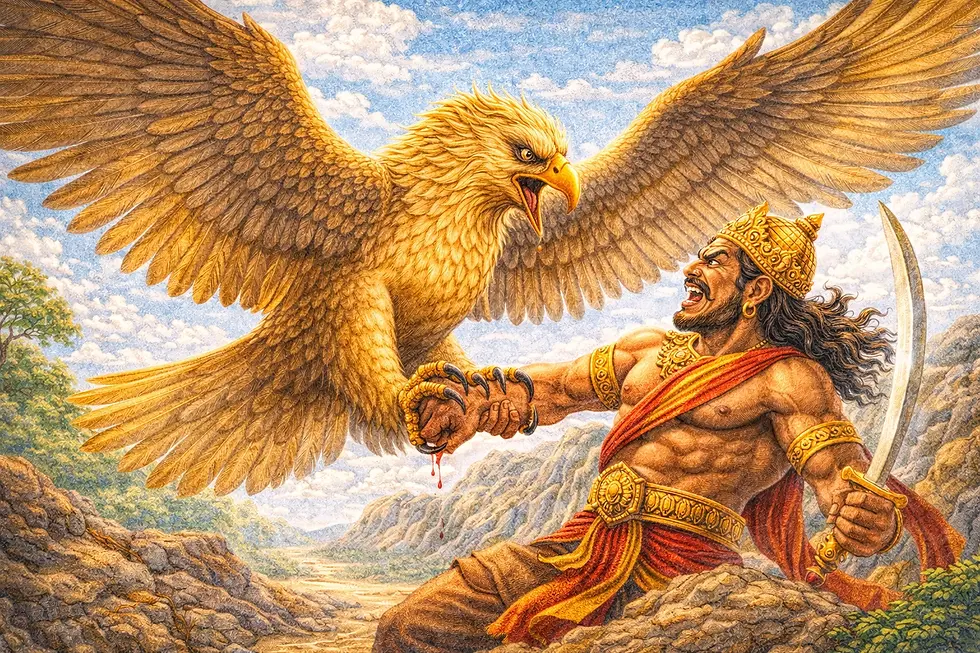
Meanwhile, his wife Mallika goes on a pilgrimage to Kashi Vishwanath with her friends. When she returns, the month is over, and the couple excitedly prepares to milk the cow. However, instead of milk, the cow kicks Chandan, leaving him bloody and injured. They realize that the cow has gone dry because she wasn't milked daily. Chandan learns a valuable lesson: daily work must be done daily, and greed leads to loss rather than gain.
Moral (Sandesh): Work should be done at the appropriate time. Delaying duties due to greed or laziness destroys the fruit of the action and leads to sorrow.
2. Selected Dialogue Translation (Anuvad)
Sanskrit Text (Split Sandhis) | English Translation |
मल्लिका: (मोदकानि साधयन्ती) | Mallika: (Making sweet balls/Modaks) |
चन्दनः: अहा! सुगन्धस्तु मनोहरः। (मोदकं ग्रहीतुमिच्छति) | Chandan: Aha! The fragrance is delightful. (Wants to take a Modak) |
मल्लिका: (सक्रोधम्) विरम। विरम। मा स्पृश एतानि मोदकानि। | Mallika: (Angrily) Stop. Stop. Do not touch these Modaks. |
मल्लिका: एतानि मोदकानि पूजानिमित्तानि सन्ति। | Mallika: These Modaks are for the purpose of worship (Puja). |
मल्लिका: अहं स्वसखीभिः सह श्वः प्रातः काशीविश्वनाथमन्दिरं गमिष्यामि। | Mallika: Tomorrow morning, I will go to the Kashi Vishwanath temple with my friends. |
चन्दनः: सखीभिः सह! न मया सह! (विषादं नाटयति) | Chandan: With friends! Not with me! (Acts sad) |
उमा: मातुल! पितामहः कथयति, मासानन्तरम् अस्मद् गृहे महोत्सवः भविष्यति। | Uma: Uncle! Grandfather says there will be a great festival in our house after a month. |
उमा: तत्र त्रिशत-सेटकमितं दुग्धम् अपेक्ष्यते। | Uma: 300 liters of milk is required there. |
चन्दनः: (प्रसन्नमनसा) त्रिशत-सेटक-परिमितं दुग्धम्! शोभनम्। | Chandan: (Happily) 300 liters of milk! Excellent. |
चन्दनः: यदि प्रतिदिनं दोहनं करोमि तर्हि दुग्धं सुरक्षितं न तिष्ठति। | Chandan: If I milk (the cow) every day, then the milk will not remain safe/fresh. |
चन्दनः: मासान्ते एव सम्पूर्णतया दुग्धदोहनं करोमि। | Chandan: I will do the complete milking only at the end of the month. |
(मासान्ते) | (At the end of the month) |
चन्दनः: (दोहनं कर्तुम इच्छति) नन्दिनि! दुग्धं देहि। | Chandan: (Wants to milk) Nandini! Give milk. |
(धेनुः पृष्ठपादेन प्रहरति, चन्दनश्च पात्रेण सह पतति) | (The cow kicks with her back leg, and Chandan falls with the pot) |
चन्दनः: हा! हतोऽस्मि। (रक्तरञ्जितः भवति) | Chandan: Oh! I am killed/hurt. (Becomes bloody) |
चन्दनः: कार्यम् अद्यतनीयं यत् तद् अद्यैव विधीयताम्। | Chandan: The work of today should be done today itself. |
3. Shloka Analysis
Shloka 1 आदानस्य प्रदानस्य कर्तव्यस्य च कर्मणः। क्षिप्रमक्रियमाणस्य कालः पिबति तद्रसम्॥
Anvaya: क्षिप्रम् अक्रियमाणस्य आदानस्य प्रदानस्य कर्तव्यस्य च कर्मणः (तस्य) रसं कालः पिबति।
English Meaning: If an act of receiving, giving, or a duty is not done quickly (at the right time), Time drinks its essence (result/joy). In other words, delayed action loses its value.
Shloka 2 सुविचार्य विधातव्यं कार्यं कल्याणकाङ्क्षिणा। यः करोत्यविचार्येतत् स विषीदति मानवः॥
Anvaya: कल्याणकाङ्क्षिणा कार्यं सुविचार्य (एव) विधातव्यम्। यः मानवः एतत् अविचार्य करोति सः विषीदति।
English Meaning: A person desiring well-being should perform actions only after thinking carefully. The human who does this without thinking suffers/regrets.
4. Word Meanings (Kathin Shabdarth)
विरम (Virama) = Stop (तिष्ठ / रुको)
जिह्वालोलुपताम् (Jihvalolupatam) = Greed of the tongue / Taste (स्वादलोभम्)
सेटकम् (Setakam) = Liter (लीटर)
मातुल (Matula) = Maternal Uncle (मामा)
मातुलानी (Matulani) = Maternal Aunt (मामी)
प्रत्यागता (Pratyagata) = Returned (लौट आई)
रक्तरञ्जितम् (Raktaranjitam) = Soaked in blood / Bloody (लहुलुहान)
भङ्गुरम् (Bhanguram) = Fragile / Perishable (नश्वरम्)
क्षिप्रम् (Kshipram) = Quickly (शीघ्रम्)
विषीदति (Vishidati) = Feels sad / Regrets (दुःखी भवति)
दोग्धुम् (Dogdhum) = To milk (दुग्धं निष्कासयितुम्)
5. Competency-Based Assessment
A. Question Construction (Prashna Nirman)
Sentence | Question | Explanation |
मल्लिका सखीभिः सह धर्मयात्रायै गच्छति स्म। | का सखीभिः सह धर्मयात्रायै गच्छति स्म? | Used 'Ka' because 'Mallika' is Feminine Singular subject. |
चन्दनः दुग्धदोहनं कृत्वा एव स्वप्रातराशस्य प्रबन्धम् अकरोत्। | चन्दनः किम् कृत्वा एव स्वप्रातराशस्य प्रबन्धम् अकरोत्? | Used 'Kim' for the object 'Dughdadohanam'. |
मोदकानि पूजानिमित्तानि रचितानि आसन्। | मोदकानि किमर्थानि रचितानि आसन्? | Used 'Kimarthani' (For what purpose) or 'Kidrishani' (What kind). |
नन्दिनी पादेन ताडयति। | नन्दिनी केन ताडयति? | Used 'Kena' for Instrumental case (Tritiya). |
सखीभिः सह धर्मयात्रा। | काभिः सह धर्मयात्रा? | Used 'Kabhih' for Feminine Instrumental Plural. |
B. Bhashik Karyam (Linguistic Work)
Question: In "चतुरतमः विचारः", identify the Visheshan (Adjective).
Answer: चतुरतमः (Cleverest/Smartest)
Explanation: It describes the noun 'Vicharah' (Idea).
Question: In "अहं जिह्वालोलुपतां नियन्त्रयितुम् अक्षमः अस्मि", what is the Kriya Padam (Verb)?
Answer: अस्मि (Am)
Explanation: 'Asmi' denotes the state of being.
Question: Write the antonym for "शीघ्रम्" (Quickly) from the text context (implied or related).
Answer: मन्दम् / शनैः (Slowly). Or 'Chiram' (Late).
Note: The text emphasizes 'Kshipram' (Quickly) in the shloka, contrasting with delay.
Question: Write a synonym for "धेनुः" (Cow) from the text.
Answer: नन्दिनी / गौः
Explanation: Nandini is the name of the cow, 'Gauh' is the synonym used in word meanings.
6. Subjective Q&A (Pathit Avabodhanam)
A. Ekpaden Uttarat (One Word Answers)
Q: मल्लिका पूजार्थं सखीभिः सह कुत्र गच्छति स्म? (Where was Mallika going with friends for worship?)
Ans: काशीविश्वनाथमन्दिरम् (To Kashi Vishwanath Temple).
Q: उमायाः पितामहेन कति सेटकमितं दुग्धम् अपेक्ष्यते स्म? (How many liters of milk was required by Uma's grandfather?)
Ans: त्रिशत-सेटकमितम् (300 Liters).
Q: नन्दिन्याः पादप्रहारैः कः रक्तरञ्जितः अभवत्? (Who became bloody by Nandini's kicks?)
Ans: चन्दनः (Chandan).
Q: कुम्भकारः घटान् किमर्थं रचयति? (Why does the potter make pots?)
Ans: जीविकाहेतोः (For livelihood).
B. Purnavakyen Uttarat (Full Sentence Answers)
Q: मल्लिका चन्दनश्च मासपर्यन्तं धेनोः सेवां कथम् अकुरुताम्? (How did Mallika and Chandan serve the cow for a month?)
Ans: मल्लिका चन्दनश्च धेनोः सेवायां निरतौ अभवताम्; तौ घासादिकं गुडादिकं च भोजयतः स्म, कदाचित् विषाणयोः (horns) तैलं लेपयतः, तिलकं धारयतः, रात्रौ नीराजनेनापि तोषयतः स्म। (They fed her grass and jaggery, oiled her horns, applied tilak, and worshipped her with lamps).
Q: कालः कस्य रसं पिबति? (Time drinks the essence of what?)
Ans: क्षिप्रम् अक्रियमाणस्य आदानस्य प्रदानस्य कर्तव्यस्य च कर्मणः रसं कालः पिबति। (Time drinks the essence of receiving, giving, or duty that is not done quickly).
Q: मासपर्यन्तं धेनोः अदोहनस्य किं कारणमासीत्? (What was the reason for not milking the cow for a month?)
Ans: मासान्ते ग्रामप्रमुखस्य गृहे महोत्सवाय त्रिशत-सेटकमितं दुग्धं दातुम्, अधिकं दुग्धं प्राप्तुं चन्दनः मासपर्यन्तं दोहनं न अकरोत्। (To provide 300 liters for the festival and gain more milk, Chandan did not milk her).
7. Event Sequencing (Ghatnakram)
Jumbled Sentences:
चन्दनः नन्दिन्याः पादप्रहारैः रक्तरञ्जितः अभवत्।
मल्लिका काशीविश्वनाथमन्दिरं प्रति गता।
उमा मासान्ते दुग्धस्य आवश्यकतां वदति।
चन्दनः मासपर्यन्तं दोहनं न करोति।
मल्लिका मोदकानि रचयति।
सर्वे मिलित्वा गायन्ति - "आदानस्य प्रदानस्य..."
Correct Order:
मल्लिका मोदकानि रचयति। (Mallika makes modaks).
मल्लिका काशीविश्वनाथमन्दिरं प्रति गता। (Mallika goes to temple).
उमा मासान्ते दुग्धस्य आवश्यकतां वदति। (Uma tells about milk requirement).
चन्दनः मासपर्यन्तं दोहनं न करोति। (Chandan stops milking).
चन्दनः नन्दिन्याः पादप्रहारैः रक्तरञ्जितः अभवत्। (Chandan gets kicked).
सर्वे मिलित्वा गायन्ति - "आदानस्य प्रदानस्य..." (Everyone sings the moral).
About BhashaLab
BhashaLab is a dynamic platform dedicated to the exploration and mastery of languages - operating both online and offline. Aligned with the National Education Policy (NEP) 2020 and the National Credit Framework (NCrF), we offer language education that emphasizes measurable learning outcomes and recognized, transferable credits.
We offer:
1. NEP alligned offline language courses for degree colleges - English, Sanskrit, Marathi and Hindi
2. NEP alligned offline language courses for schools - English, Sanskrit, Marathi and Hindi
3. Std VIII, IX and X - English and Sanskrit Curriculum Tuitions - All boards
4. International English Olympiad Tuitions - All classes
5. Basic and Advanced English Grammar - Offline and Online - Class 3 and above
6. English Communication Skills for working professionals, adults and students - Offline and Online
Contact: +91 86577 20901, +91 97021 12044
Mail: info@bhashalab.com
Website: www.bhashalab.com


Comments